The Need & Opportunity

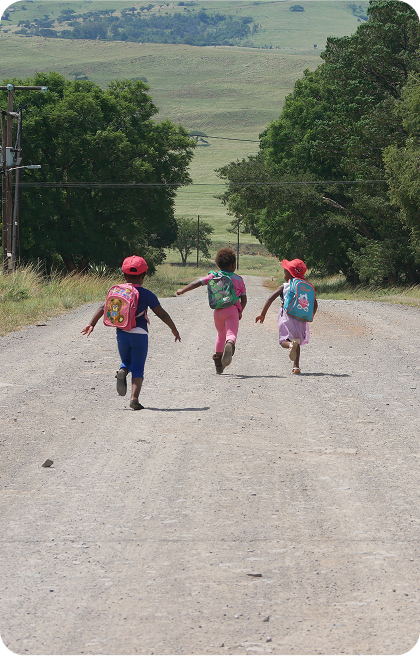
70% of children worldwide do not reach minimum proficiency levels of literacy, including 90% of children in Sub-Saharan Africa, and 88% of children in India.

  • One billion more people without literacy skills in the next 25 years.
  • By 2050 98% of adults in Sub-Saharan Africa and India will have their own smartphones.

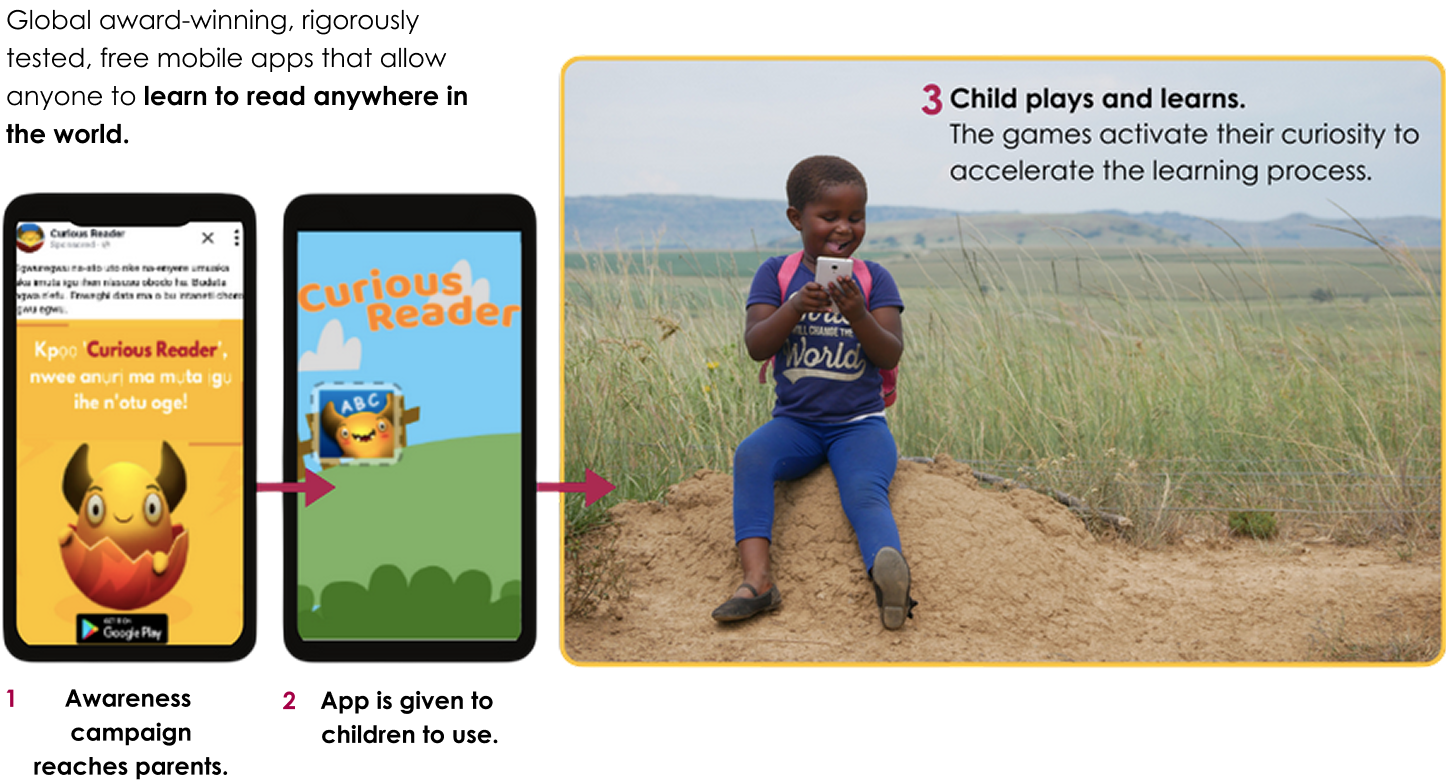
Global award-winning, rigorously tested, free mobile apps that allow anyone to learn to read anywhere in the world.

Cost Effectiveness

Activate the growing base of parent smartphones

  • We run awareness campaigns to reach millions of   children worldwide.
  • Exceptional cost effectiveness.
  • Reaches underserved populations that cannot otherwise be easily reached.

Implementation cost per household   1-2 USD

  • We train local advocates and facilitators to promote our      content and assist parents.

Implementation cost per household   10 USD
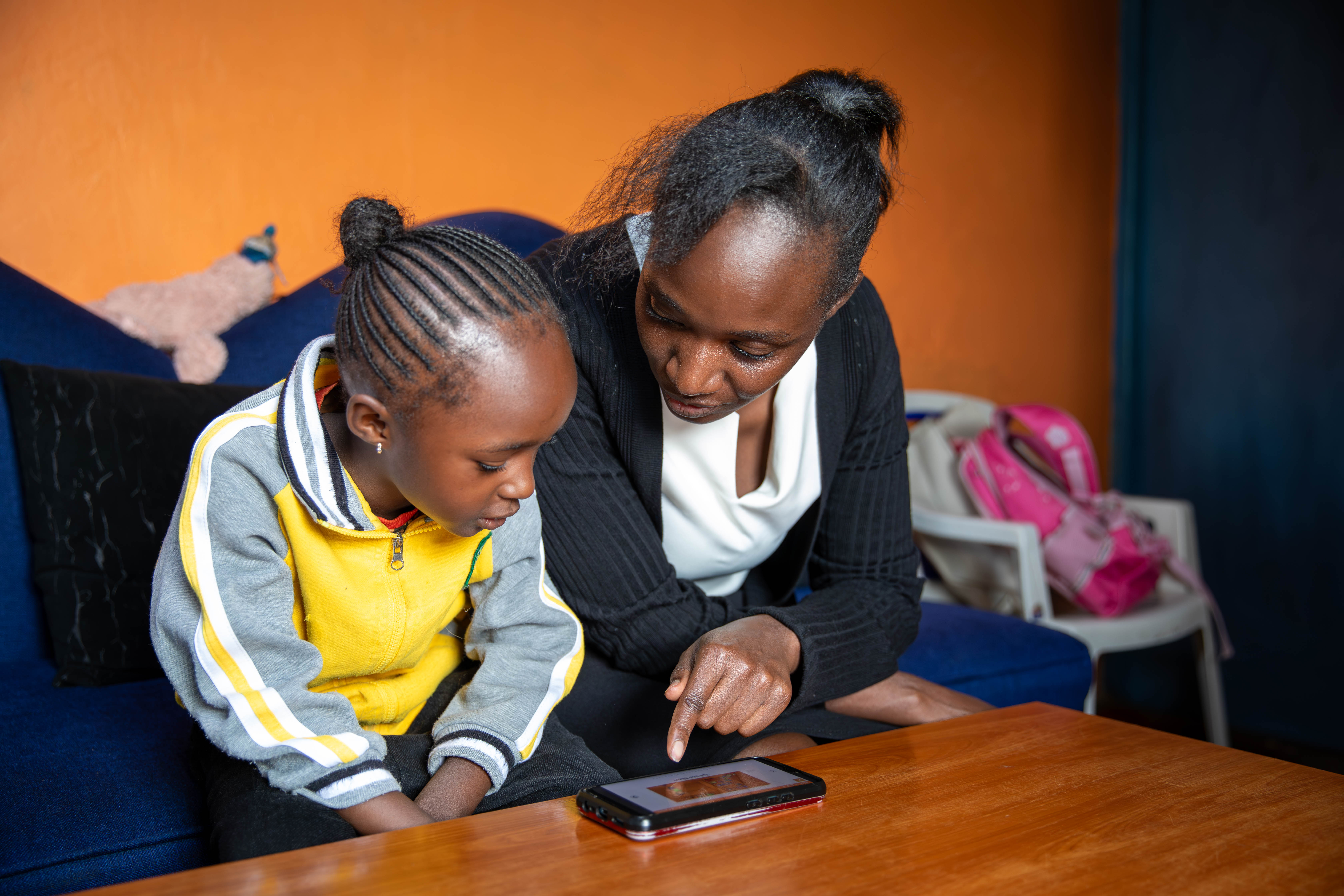
The Curious Learning model for activating household devices is 100x more scalable and 100x more cost effective than traditional educational approaches. It leverages the rapidly growing existing smartphone infrastructure.
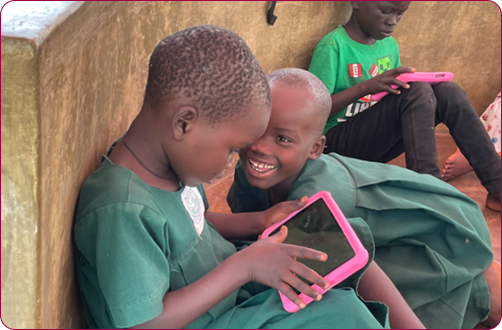
Hand out devices preloaded with content

  • A phone preloaded with our apps is given to a child for them to use at home.
  • Rock solid supporting evidence of learning impact (World Bank RCT Study).

Implementation cost per child   30 USD

Heading

Cost Effectiveness

An average acquisition cost of ~$0.50 per learner: India $0.04 - Nepal $0.08 - Kenya $0.42

100 times more cost effective and can be scaled immediately to meet the need while traditional systems catch up.

Literacy Is…

  • ... a poverty issue
    Each grade level of literacy increases earnings by 9.7%
  • ... a gender issue
    2/3 of illiterate adults are women
  • ... a health issue
    With literate, people are 5x more likely to know how HIV/AIDS is spread
  • ... a peace issue
    Without literacy, people are 9x more likely to become radicalized
  • ... a child labor issue
    47% of child laborer will never attend school
  • ... a human trafficking issue
    46% of Nigerian youth identify illiteracy as a major cause of human trafficking
  • ... a food issue
    Universal literacy would increase food production by 24%
  • ... a economic issue
    Literacy for 770 million adults would increase annual global GDP by $1.2 trillian